
Vitamin B7 D-Biotin
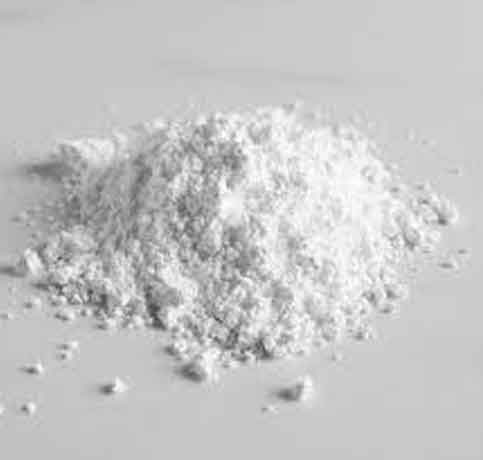
Specifications of Vitamin B7 D-Biotin
Chemical Name: 5-[(3aS,4S,6aR)-2-oxohexahydro-1H-thieno[3,4-d]imidazol-4-yl] pentanoic acid
Molecular Formula: C10H16N2O3S
Molecular Weight: 244.31 g/mol
CAS Number: 58-85-5
What is Vitamin B7 D-Biotin
Vitamin B7, also known as biotin, a water-soluble vitamin that plays a crucial role in various metabolic processes, including breakdown of fats, carbohydrates, and proteins. It’s also involved in cell growth, gene expression, and maintaining healthy hair, skin, and nails. D-biotin is the natural form of biotin that is biologically active in the body.
Physical Properties
Appearance: White, needle-like crystalline solid or powder.
Solubility: Soluble in water and ethanol; less soluble in non-polar solvents Slightly soluble in water, practically insoluble in ethanol and ether.
Melting Point: 233°C
Nutritional Information
Biotin is present in small amounts in many foods such as walnuts, peanuts, egg yolks, milk, cereals, whole grains, salmon, pork, sardines, mushrooms, cauliflower, avocados, bananas, and raspberries. It is also produced by gut bacteria in humans but the contribution to overall status is variable.
Vitamin B7 D-Biotin Benefits
Vitamin B7, also known as D-biotin or simply biotin, is a water-soluble B vitamin that plays an essential role in numerous metabolic processes in the body.
Key information about vitamin B7 (D-biotin):
Chemical Structure: Biotin consists of a sulfur-containing tetrahydrothiophene ring fused with a ureido ring (a tetrahydroimidizalone ring). A valeric acid side chain is attached to the tetrahydrothiophene ring.
Chemical Formula: C10H16N2O3S
Molecular Weight: Approximately 244.31 g/mol.
Physical Appearance: White needle-like crystalline solid.
Biological Function: Biotin acts as a coenzyme for carboxylase enzymes involved in important biochemical reactions such as fatty acid synthesis, amino acid catabolism (including isoleucine and valine), and gluconeogenesis. It plays a key role in the metabolism of fats, carbohydrates, and proteins.
Other Names: Vitamin H, coenzyme R
Sources: Naturally found in various foods including egg yolks, liver, nuts, seeds, and some vegetables. It is also synthesized by intestinal bacteria.
Stability: Biotin is stable under normal conditions but sensitive to strong acids, bases, and UV light.