
Vitamin B3 Niacin
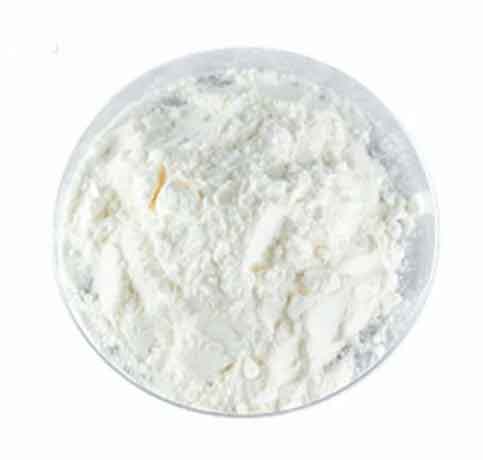
Specifications of Vitamin B3 Niacin
Chemical Name: pyridine-3-carboxylic acid
Molecular Formula: C₆H₅NO₂
Molecular Weight: 123.11 g/mol.
CAS Number: 59-67-6
What is Vitamin B3 Niacin
Vitamin B3, also known as niacin, is a water-soluble vitamin essential for maintaining overall health. It mainly exists in two forms: nicotinic acid and niacinamide (nicotinamide), both of which the body converts into coenzymes NAD and NADP that are crucial for energy metabolism.
Physical Properties
Appearance: White to off-white crystalline powder or white crystal, typically odorless or with a slight odor, and has a slightly sour taste. Solubility: slightly soluble in cold water (about 1.6 g per 100 mL at room temperature), but more soluble in hot water, ethanol, alkaline water, and some organic solvents like propylene glycol and chloroform. It is practically insoluble in ether and ester solutions. Melting Point: 234–237°C
Nutritional Information
Improves blood cholesterol and triglyceride levels. Supports brain function and mental health. Strengthens skin and protects against sun damage. Plays a role in reducing tiredness and fatigue Storage Conditions: Should be stored in a cool, dark place to prevent degradation from light and heat
Vitamin B3 Niacin Benefits
Vitamin B3, also known as niacin, is a water-soluble vitamin essential for maintaining overall health. It mainly exists in two forms: nicotinic acid and niacinamide (nicotinamide), both of which the body converts into coenzymes NAD and NADP that are crucial for energy metabolism.
Key benefits and functions of niacin include:
Energy Metabolism: Niacin is vital for converting carbohydrates, fats, and proteins into energy by supporting over 400 enzymatic reactions involving NAD and NADP.
Nervous System Health: It contributes to the normal functioning of the nervous system by aiding neurotransmitter formation, which is essential for communication between nerve cells. This supports mood regulation, concentration, memory, and mental resilience.
Skin Health: Niacin strengthens the skin barrier and improves its moisture retention. Both oral supplementation and topical application can protect skin from sun damage and may reduce the risk of certain skin cancers.
Cardiovascular Benefits: Nicotinic acid form of niacin is used to improve cholesterol levels by lowering LDL (bad cholesterol) and triglycerides while raising HDL (good cholesterol), contributing to heart health.
Mental and Cognitive Health: Niacin supports normal psychological function and mood. Deficiency has been linked to neurological and psychiatric symptoms, and supplementation may help in conditions like Alzheimer’s and schizophrenia.
Digestive System Support: It helps maintain the health of mucous membranes, supporting digestion and nutrient absorption.
Deficiency Treatment: Niacin prevents and treats pellagra, a condition resulting from niacin deficiency characterized by dermatitis, diarrhea, and dementia.
Foods rich in niacin include lean meats (chicken, turkey), fish (tuna, salmon), peanuts, whole grains, and legumes. The body can also synthesize some niacin from the amino acid tryptophan found in protein-rich foods.
Overall, niacin is crucial for energy production, skin and nervous system health, cardiovascular function, and psychological well-being