
Vitamin B2 Riboflavin
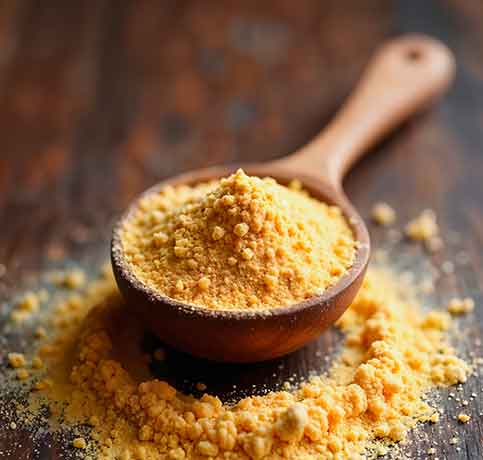
Specifications of Vitamin B2 Ribolflavin
Chemical Name: 7,8-dimethyl-10-(1′-D-ribityl) isoalloxazine
Molecular Formula: C₁₇H₂₀N₄O₆
Molecular Weight: 376.37 g/mol.
CAS Number: 83-88-5
What is Vitamin B2 Riboflavin
Riboflavin is essential for energy metabolism, neurological health, vision, blood formation, and antioxidant defenses. Because it is water-soluble, excess amounts are excreted, so daily intake through diet or supplements is important.
Physical Properties
Appearance: Yellow to orange-yellow crystalline or amorphous powder with a slightly bitter taste and a characteristic yellow fluorescence Solubility: Moderately soluble in water (around 10-13 mg/100 ml at room temperature) and ethanol; insoluble in non-polar solvents like ether, chloroform, benzene, and acetone Melting Point: 290°C
Nutritional Information
Vitamin B2 Riboflavin: It helps break down carbohydrates, fats, and proteins to produce energy (ATP), essential for cell function and metabolism. Riboflavin is also vital for normal growth, development, antibody production, and maintaining healthy skin, eyes, nerves, muscles, and mucous membranes
Storage Conditions: Should be stored in a cool, dark place to prevent degradation from light and heat
Vitamin B2 Riboflavin Benefits
Vitamin B2, or riboflavin, provides several important health benefits:
Energy Production: Riboflavin plays a key role in breaking down carbohydrates, fats, and proteins to produce adenosine triphosphate (ATP), the primary energy molecule used by cells for vital functions.
Migraine Prevention: Research suggests riboflavin may reduce the frequency and severity of migraines. It likely works by improving mitochondrial energy production in brain cells and reducing nerve inflammation.
Vision Protection: Riboflavin helps maintain healthy eyes and prevents cataracts, which are a leading cause of vision impairment.
Anemia Prevention: It assists in iron absorption and red blood cell production. Deficiency can lead to iron-deficiency anemia, especially in pregnant women and children.
Antioxidant Activity: Riboflavin supports antioxidant systems in the body, helping reduce oxidative stress and inflammation, which protects cells and tissues from damage.
Supporting Cellular Functions: It is necessary for healthy skin, nerves, muscles, and maintenance of mucous membranes, as well as hormone production from adrenal glands.
Potential Cancer Risk Reduction: Some studies suggest a higher intake of riboflavin might lower the risk of certain cancers such as colorectal cancer, but evidence is mixed and ongoing.
Overall, riboflavin is essential for energy metabolism, neurological health, vision, blood formation, and antioxidant defenses. Because it is water-soluble, excess amounts are excreted, so daily intake through diet or supplements is important.