
Moringa Powder
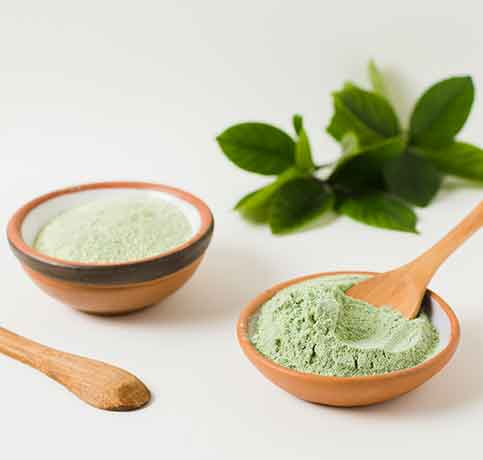
Specifications of Moringa Powder
Botanical Name: Moringa oleifera
Moisture Content: Usually less than 8-10%
Origin: Commonly India or African countries such as Namibia, Kenya, Tanzania, Burkina Faso
What is Moringa Powder
Moringa powder is a fine powder made from the dried leaves of the Moringa oleifera tree, often called the “miracle tree.” It is widely used as a nutritional supplement and traditional medicine because of its dense nutrient profile and health benefits. The powder contains rich amounts of proteins, vitamins (A, C, E), minerals (calcium, iron, potassium), antioxidants, amino acids, and bioactive compounds. These nutrients help support immune function, reduce inflammation, lower blood sugar and cholesterol, protect organs like the liver and heart, and improve skin and digestive health. Moringa powder is often consumed in smoothies, teas, or as a seasoning and is valued for its antioxidant and anti-inflammatory properties.
Physical Properties
Appearance: Fine powder, light to mid-green color
Texture: Free-flowing powder with particle size typically around 80 mesh (0.25–0.50 mm)
Odor and flavor: Characteristic mild green odor, may have slightly astringent or spicy notes
Nutritional Information
The nutritional information of Moringa powder per 100 grams generally includes:
Calories: Around 266 to 344 kcal
Protein: Approximately 25 to 28 g
Total Carbohydrates: About 15 to 38 g, including sugars ranging from 0 to 14.7 g
Dietary Fiber: Roughly 8 to 35 g (varies by source)
Total Fat: Around 2.3 to 10.4 g, with saturated fat about 0.6 g
Moisture: Often around 0.5% to 10% depending on processing
Ash (minerals): Approximately 4 to 12%
Moringa Powder Benefits
Moringa powder offers a wide range of health benefits primarily due to its rich nutritional content, antioxidants, anti-inflammatory compounds, and bioactive plant substances. Key benefits include:
Boosting immunity through high levels of vitamins A, C, and E, which enhance immune function and protect cells from damage.
Rich antioxidant properties that protect cells against free radicals, reducing oxidative stress linked to chronic diseases such as heart disease and cancer.
Anti-inflammatory effects which help manage conditions like arthritis, diabetes, and cardiovascular disease by reducing inflammation in the body.
Regulating blood sugar levels, beneficial for people with diabetes, by lowering blood glucose and improving insulin sensitivity.
Supporting heart health by lowering cholesterol and blood pressure, protecting the cardiovascular system from oxidative damage.
Enhancing skin health due to vitamins A and E, which protect against aging and oxidative damage, promoting radiant skin.
Combating anemia with high iron content that supports red blood cell production and reduces tiredness and fatigue.
Strengthening bones thanks to calcium and phosphorus content that maintain bone density and health.
Improving digestive health through fiber content that aids digestion, bowel regularity, and potentially weight management.
Supporting brain health via neuroprotective antioxidants that may improve cognition and protect against neurodegenerative diseases.
Muscle growth and maintenance due to its relatively high protein content including essential amino acids, valuable especially for vegetarians and vegans.