
Matcha Powder
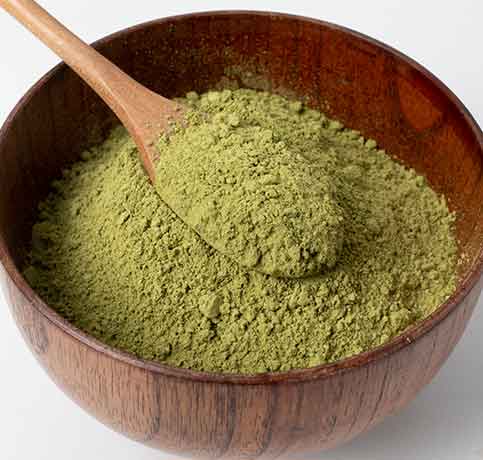
Specifications of Matcha Powder
Particle Size: Very fine powder, often less than 100 microns.
Moisture Content: Generally low, around 5-7%.
Protein Content: 1–3 g depending on source
What is Matcha Powder
Matcha Powder is a finely ground powder made from specially grown and processed green tea leaves called tencha. These leaves are shaded from sunlight for several weeks before harvest, which increases their chlorophyll content and gives matcha its characteristic bright green color and rich umami flavor. After steaming and drying, the leaves are carefully ground into a very fine powder, often using traditional stone mills. Unlike regular green tea, matcha involves consuming the whole leaf in powdered form, resulting in a more potent and nutrient-dense product.
Physical Properties
Appearance: Fine, bright green powder derived from shade-grown tencha leaves.
Solubility: Not water soluble; forms suspension in water.
Thermal Stability: Glass transition temperature of anhydrous matcha varies from about 106 to 139 °C, important for shelf life stability.
Nutritional Information
Matcha Powder nutritional information per typical 2-gram serving (about one cup of prepared matcha) includes:
Calories: Approximately 5 kcal
Protein: About 1 gram
Fat: 0.1 grams (mostly unsaturated fatty acids)
Carbohydrates: 0.8 grams
Dietary Fiber: Around 0.8 grams
Vitamins:
Vitamin A (β-carotene): ~580 µg (close to daily recommended intake)
Vitamin C: 1 mg
Vitamin K: 58 µg (about 46% of daily value)
Matcha Powder Benefits
Matcha Powder benefits are largely attributed to its rich antioxidants, caffeine, and unique bioactive compounds such as catechins (especially EGCG) and L-theanine. Key benefits include:
High in Antioxidants: Matcha contains high levels of catechins that help protect cells from damage by free radicals, reducing oxidative stress and inflammation that contribute to chronic diseases like heart disease and cancer.
Heart Health Support: The catechins and other polyphenols in matcha may lower LDL (“bad”) cholesterol, triglycerides, and blood pressure, reducing risk factors for cardiovascular disease.
Cognitive Function and Alertness: Matcha can improve brain function temporarily by boosting attention, memory, and response time, mainly due to its caffeine content paired with L-theanine, which promotes calm alertness and reduces stress.
Weight Management: Catechins and caffeine in matcha may help increase metabolism and fat burning, supporting weight loss efforts.
Liver Protection: Some evidence suggests matcha may reduce risk of liver disease and cancer, though more research is needed. Caution is advised for green tea supplements in high doses as they may cause liver issues.
Anti-Cancer Potential: EGCG in matcha has been shown in animal studies to protect DNA and slow tumor growth, though definitive human evidence is pending.
Anti-Inflammatory Effects: Matcha’s polyphenols and antioxidants reduce inflammation, which may help prevent conditions like diabetes, arthritis, and cardiovascular disease.
Dental Health: EGCG inhibits growth of bacteria causing plaque and bad breath, potentially improving oral health.
Skin Benefits: Anti-inflammatory properties may help reduce redness and irritation linked to chronic skin issues.