
Glucosamine Sulphate
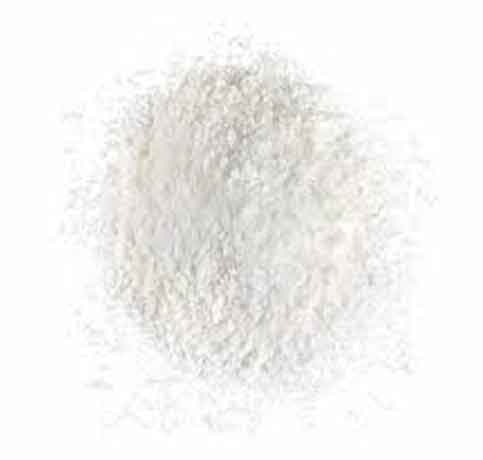
Specifications of Glucosamine Sulphate
Chemical Name: D-Glucosamine 6-sulfate
Chemical Formula: C6H15NO9S
Molecular Weight: 277.24 g/mol
CAS Number: 14999-43-0
What is Glucosamine Sulphate
Glucosamine Sulfate is a natural compound that forms a critical building block for the synthesis of glycosaminoglycans and proteoglycans, which are essential components of cartilage, ligaments, tendons, and the fluid surrounding joints. It is commonly used as a dietary supplement to support joint health, particularly in the management of osteoarthritis.
Physical Properties
Appearance: White to almost white crystalline powder, odorless.
Solubility: Freely soluble in water, sparingly soluble in methanol, practically insoluble in acetone, tetrahydrofuran, and acetonitrile.
Melting point: 160-162°C
Nutritional Information
The nutritional information for Glucosamine Sulfate as a dietary supplement is summarized as follows:
It is primarily used as a joint health supplement and is not a direct source of calories, proteins, fats, or carbohydrates.
Typical doses provide about 1.5 grams of glucosamine sulfate per serving (such as 3 tablets or capsules).
Carbohydrate content is minimal to negligible, often listed as less than 1 gram per serving with negligible caloric value.
Some supplements include additional components like vitamin C or potassium, but glucosamine sulfate itself does not contribute significant nutrients or energy.
It acts as a building block for cartilage and connective tissues rather than a nutrient source.
Supplement formulations are designed for supporting joint function, not for nutrition or caloric intake.
It is generally safe at recommended doses and does not provide macronutrients or calories.
Glucosamine Sulphate Benefits
The benefits of Glucosamine Sulfate primarily relate to its role in supporting joint health, particularly for people with osteoarthritis:
Symptom Relief: Glucosamine sulfate at a daily dose of 1,500 mg has been shown to significantly reduce joint pain and improve physical function in osteoarthritis patients, especially in the knee and spine. Clinical trials report improvements in pain scores and functional indices compared to placebo.
Slowing Joint Degeneration: Long-term use of glucosamine sulfate may slow the structural progression of osteoarthritis by reducing cartilage destruction and preventing joint space narrowing, which is correlated with delayed disease progression and fewer joint replacement surgeries.
Cartilage Support: Glucosamine is a precursor of glycosaminoglycans, crucial components of cartilage, helping maintain cartilage elasticity and stimulating repair processes.
Reduction in Inflammation: It may exert anti-inflammatory effects that can reduce joint swelling and stiffness, supporting overall joint function.
Safety and NSAID-Sparing: Glucosamine sulfate is generally considered safe and may reduce the need for nonsteroidal anti-inflammatory drugs (NSAIDs), lowering the risk of adverse effects associated with these medications.