
Psyllium Husk
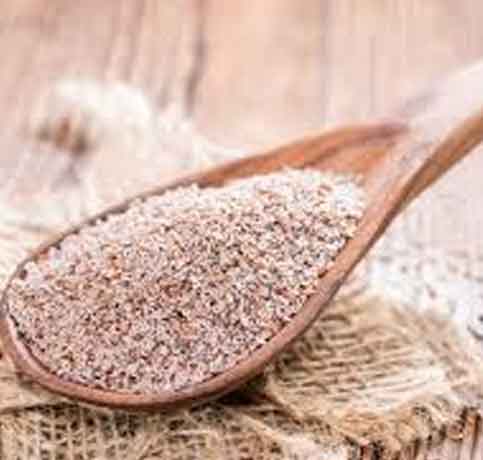
Specifications of Psyllium Husk
Purity: 99% Pure
Moisture Content: Not more than 10-12%
Swell Volume: 75ml/g
What is Psyllium Husk
Psyllium Husk is the outer coating or husk of the seeds from the Plantago ovata plant. It is rich in soluble fiber, making it highly effective for digestive health. When mixed with water, psyllium husk forms a gel-like substance that helps promote regular bowel movements by absorbing water and softening stools. This property makes it a common natural laxative and a supplement used to relieve constipation and mild diarrhea.
Physical Properties
Appearance: Pale buff colored husk, thin translucent shape, with the seeds typically ovoid-oblong
Fiber content: Over 70% fiber.
Thermal and sorption behavior: Psyllium husk absorbs water vapor readily with high specific surface area and adsorption energy due to numerous hydroxyl and polar functional groups.
Nutritional Information
Key nutritional information per 100 grams includes:
Calories: About 200–333 kcal
Total carbohydrates: About 77–89 g
Dietary fiber: Over 70–80 g, mainly soluble fiber
Protein: Between 0 and 4.6 g (some sources report negligible protein)
Fat: Very low, around 0.5 g or less, with virtually no saturated, trans, or cholesterol content
Sodium: Low, around 15–111 mg depending on the product
Minerals: Provides some calcium (~30–184 mg), potassium (~165–965 mg), iron (~1–8.6 mg), magnesium, and phosphorus in small amounts
Psyllium Husk Benefits
The benefits of psyllium husk, which is rich in soluble fiber, cover several key areas of health:
Digestive Health: Psyllium acts as a bulk-forming laxative by absorbing water and forming a gel that softens stool, aiding regular bowel movements and relieving constipation. It can also help manage diarrhea by bulking up loose stools. Moreover, it acts as a prebiotic, promoting the growth of healthy gut bacteria essential for immune function and reducing inflammation.
Heart Health: Psyllium helps lower LDL (“bad”) cholesterol by binding bile acids and cholesterol in the gut, which are then eliminated. Regular intake (about 10 g daily) can reduce LDL cholesterol and improve overall lipid profiles, potentially decreasing cardiovascular disease risk.
Blood Sugar Control: Psyllium can moderate blood sugar levels by slowing digestion and absorption of carbohydrates, beneficial for people with type 2 diabetes or metabolic syndrome.
Weight Management: Due to its gel-forming fiber that promotes a feeling of fullness (satiety), psyllium can aid in weight loss and help reduce body weight, BMI, and waist circumference in overweight or obese individuals.
Blood Pressure: Psyllium intake has been associated with modest reductions in blood pressure, supporting cardiovascular health.
Irritable Bowel Syndrome (IBS) and Other Gut Disorders: Psyllium is recommended for managing IBS symptoms, particularly stool form normalization, easing constipation, and reducing diarrhea in inflammatory bowel conditions.
Additional Possible Benefits: Some research suggests it may improve calcium absorption, fight intestinal inflammation, and contribute to overall immune health through prebiotic action.