
Spirulina Powder
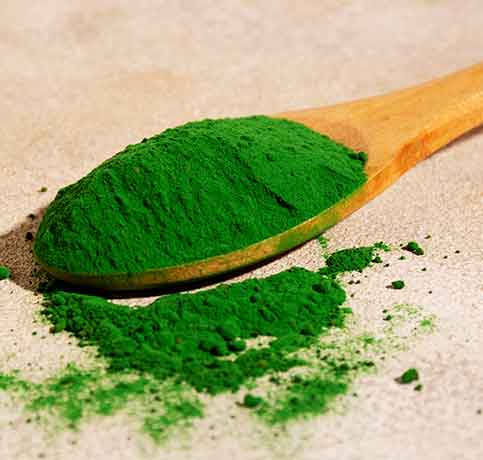
Specifications of Spirulina Powder
Particle Size: Less than 125 microns.
Moisture Content: Approximately 7.1%.
Carbohydrates: About 6.8%.
Energy Value: Approximately 333 kcal per 100 grams.
What is Spirulina Powder
Physical Properties
Appearance: Free-flowing green to bluish-green powder with a mild seaweed odor; not soluble but forms a suspension in water
Protein Content: Very high, around 71.3% of dry weight, containing all essential amino acids.
Bulk Density: Greater than 0.48 g/mL.
Nutritional Information
L-Taurine nutritional information includes the following key points:
Taurine is a sulfur-containing amino acid but is not a protein-building amino acid, so it is not counted as dietary protein.
Typical taurine supplements provide between 500 mg and 2000 mg per serving, though doses up to 3 grams per day are generally regarded as safe.
Taurine contains no carbohydrates, fats, or protein in typical supplement form and thus contributes negligible calories—about 6 kcal per 2 g serving reported in some sources (mostly from amino acid content).
Natural dietary intake of taurine from animal-based foods averages roughly 40 to 180 mg per day in typical Western diets; much lower (~17 mg) in lacto-ovo vegetarians.
Taurine is abundant in high-protein animal foods such as shellfish, fish, meat, dairy, and certain seaweeds.
Taurine supplements are often used to support various physiological functions but do not provide macronutrients or significant energy.
Energy drinks and some supplements commonly include taurine in the range of 750 mg to 3 g per serving.
Spirulina Powder Benefits
Spirulina Powder benefits stem primarily from its rich nutrient profile, antioxidant content, and biological activities. Key benefits include:
Powerful Antioxidant and Anti-Inflammatory Effects: Spirulina contains phycocyanin, a pigment with strong antioxidant and anti-inflammatory properties that help reduce oxidative stress and inflammation, which are linked to many chronic diseases.
Heart Health Support: It may lower total cholesterol, LDL (bad cholesterol), and triglycerides while raising HDL (good cholesterol), thus reducing the risk of heart disease. Spirulina also promotes nitric oxide production, which improves blood vessel relaxation and can lower blood pressure.
Immune System Enhancement: Spirulina boosts immune function by increasing production of white blood cells and antibodies, helping the body fight infections. It also has antiviral and antimicrobial effects.
Allergy Relief: Its anti-inflammatory antioxidants may reduce allergy symptoms like congestion, sneezing, and itching, providing a potential natural alternative to allergy medications.
Eye and Oral Health: Spirulina is rich in zeaxanthin and other nutrients that may reduce cataract risk and age-related vision loss. Its antibacterial properties also help improve oral health by reducing plaque and gum inflammation.
Weight Management: Due to its high protein content, spirulina can help increase satiety, support weight loss, and reduce body fat accumulation, especially when combined with a calorie-controlled diet.
Detoxification: Spirulina’s chlorophyll content helps the body remove toxins and heavy metals.
Muscle Strength and Endurance: Some studies suggest spirulina may improve muscle function and oxygen uptake during exercise, aiding performance and recovery.