
Green Tea Extract
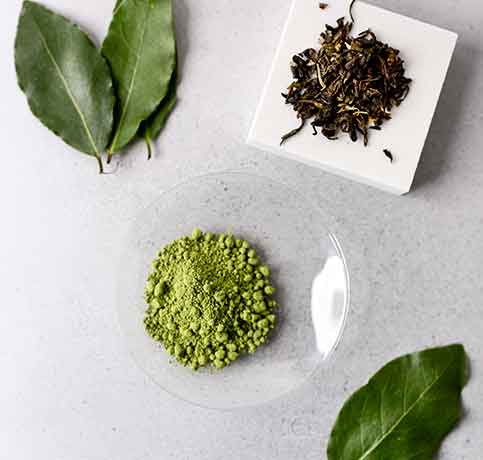
Specifications of Green Tea Extract
Chemical Name: Epigallocatechin gallate
Molecular Formula: C22H18O11.
Loss on Drying : Typically ≤5%.
What is Green Tea Extract
Green Tea Extract is a concentrated form obtained from the leaves of the Camellia sinensis plant, which is the same plant used to produce green tea, black tea, and oolong tea but processed differently to retain high levels of active compounds. It contains a complex mixture of bioactive substances, especially polyphenols such as catechins, which include epigallocatechin gallate (EGCG), epicatechin, and epicatechin gallate. EGCG is the most active and abundant catechin and is largely responsible for green tea’s antioxidant and potential health-promoting effects.
Physical Properties
Appearance: White to pale pink or light brown powder.
Solubility: Soluble in water, ethanol, methanol, dimethyl formamide (DMF), and other polar organic solvents; slightly soluble or insoluble in oils and weakly polar solvents.
Melting Point: Between 222-224°C.
Nutritional Information
Often standardized to 45-50% of the extract, EGCG is the major metabolically active catechin known for antioxidant and fat oxidation effects. For example, a 500 mg capsule might provide approximately 250 mg EGCG.
Green Tea Extract Benefits
Green Tea Extract offers a range of potential health benefits largely attributed to its rich content of polyphenols, especially catechins like epigallocatechin gallate (EGCG). These benefits, supported by scientific research, include:
Antioxidant Effects: Green tea extract contains potent antioxidants that help protect cells from damage caused by free radicals, thereby potentially reducing the risk of chronic diseases.
Weight Management and Fat Burning: Studies indicate green tea extract can modestly aid weight loss by increasing fat oxidation and metabolism, particularly in overweight and obese individuals. It may reduce body weight, body mass index (BMI), and body fat percentage.
Cardiovascular Health: Regular consumption may lower risk factors for heart disease, including improving blood cholesterol levels, lowering blood pressure, and reducing the risk of stroke and coronary artery disease.
Cognitive Function: Green tea’s components such as caffeine and L-theanine may enhance brain function, improving cognition, mood, and protection against cognitive decline.
Anti-Cancer Potential: Catechins in green tea have shown protective effects against various cancers in laboratory and some epidemiological studies. However, human evidence is limited and not definitive.
Blood Sugar Control: Green tea extract may help reduce blood sugar levels and improve insulin sensitivity, which could benefit type 2 diabetes management.
Skin Protection: Topical or dietary green tea polyphenols might protect the skin from UV damage and improve certain skin health markers.
Other Effects: Anti-inflammatory, antimicrobial, and potential anti-aging properties due to its bioactive compounds.