
Vitamin B12 Methylcobalamin
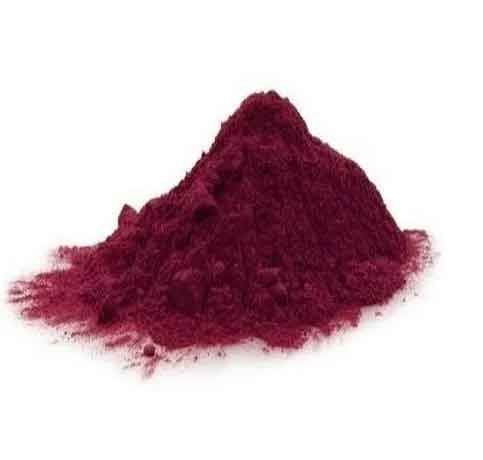
Specifications of Vitamin B12 Methylcobalamin
Chemical Name: Methylcobalamin
Molecular Formula: C63H91CoN13O14P
Molecular Weight: 1,344.8 g/mol CAS Number: 13422-55-4
What is Vitamin B12 Methylcobalamin
Vitamin B12 Methylcobalamin is a naturally occurring, bioactive form of vitamin B12 that is directly usable by the body without needing conversion like cyanocobalamin. It is a dark red crystalline powder and a crucial coenzyme involved in important biological functions
Physical Properties
Appearance: Dark red crystals or red powder, odorless and tasteless.
Solubility: Slightly soluble in water (~12.5 mg/mL), insoluble in ethanol, chloroform, and ether.
Melting Point: 190°C
Nutritional Information
It is naturally found in animal-based foods like meat, fish, dairy, and eggs. For absorption, vitamin B12 must be released from proteins in food and bind to intrinsic factor in the gastrointestinal tract before uptake in the ileum. Methylcobalamin acts as a coenzyme in DNA synthesis, red blood cell formation, neurological function (including nerve myelination and neurotransmitter synthesis), and fatty acid and amino acid metabolism
Vitamin B12 Cyanocobalamin Benefits
Vitamin B12 Methylcobalamin offers a wide range of health benefits, largely because it is the bioactive form of vitamin B12 that the body can use directly. Key benefits include:
Nerve Health Support: Methylcobalamin aids in maintaining and repairing nerve tissues, making it useful for managing neuropathy and nerve damage symptoms like numbness and tingling.
Energy Boost: It assists in the production of red blood cells, which helps reduce fatigue and supports sustained energy levels.
Cognitive Health: This form of B12 supports brain health, improving memory, focus, and overall cognitive function, potentially helping in conditions like dementia and Alzheimer’s.
Cardiovascular Health: It helps lower homocysteine levels in the blood, which may reduce the risk of heart disease and stroke.
Eye Health: Some evidence suggests methylcobalamin may help prevent age-related macular degeneration.
Mood Regulation: It supports the synthesis of serotonin and dopamine neurotransmitters, which can positively influence mood and help alleviate depression symptoms.
Skin, Hair, and Nail Health: It promotes healthy cell regeneration, benefiting skin, hair, and nails.
Treatment of Deficiencies and Anemia: Methylcobalamin is used clinically to treat vitamin B12 deficiency and related conditions such as megaloblastic anemia.
Other Neurological Benefits: It’s helpful in managing diabetic neuropathy and other neurological disorders, improving nerve function and recovery post-surgery.