
Vitamin B6 Pyridoxine HCL
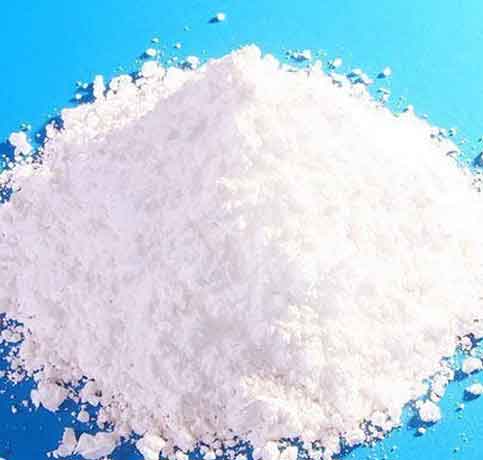
Specifications of Vitamin B6 Pyridoxine HCL
Chemical Name: 4,5-bis(hydroxymethyl)-2-methylpyridin-3-ol hydrochloride
Molecular Formula: C8H12ClNO3
Molecular Weight: 205.64 g/mol CAS Number: 58-56-0
What is Vitamin B6 Pyridoxine HCL
Vitamin B6 pyridoxine hydrochloride (pyridoxine HCl) is the hydrochloride salt form of pyridoxine, a water-soluble vitamin that is part of the vitamin B6 group. It is commonly used as a supplement because it is stable, water-soluble, and bioavailable.
Physical Properties
Appearance: White or almost white, crystalline powder or platelets; odorless with a slightly bitter, saline, acid taste. Solubility: Highly soluble in water (about 0.1 g/mL at 20°C, forming a clear, colorless solution); slightly soluble in alcohol. Melting Point: 214–215°C
Nutritional Information
It acts primarily as a coenzyme (in its active form, pyridoxal 5′-phosphate or PLP) in more than 100 enzyme reactions, mainly involved in protein metabolism. It is also crucial for carbohydrate and lipid metabolism, neurotransmitter synthesis (including serotonin, dopamine, norepinephrine, and GABA), hemoglobin production, and immune function.
Vitamin B6 Pyridoxine HCL Benefits
Vitamin B6 pyridoxine hydrochloride (pyridoxine HCl) offers several health benefits supported by scientific research:
Mood Improvement and Depression: Vitamin B6 is essential for producing neurotransmitters like serotonin, dopamine, and GABA, which regulate mood. Low levels have been linked to increased risk of depression, especially in older adults.
Brain Health: It supports brain function and may reduce the risk of cognitive decline due to its role in neurotransmitter synthesis and regulation of energy metabolism in the brain.
Anemia Prevention and Treatment: Pyridoxine is involved in red blood cell production and is effective in treating certain types of anemia, such as sideroblastic anemia.
Heart Health: By lowering homocysteine levels in the blood—a risk factor for heart disease—vitamin B6 may help reduce the risk of cardiovascular disease.
Reduction of Morning Sickness: Pyridoxine is often used to alleviate nausea and vomiting associated with pregnancy (morning sickness).
Premenstrual Syndrome (PMS) Relief: It may help reduce symptoms of PMS, including breast tenderness, though evidence varies.
Kidney Stones Prevention: Combined with magnesium, vitamin B6 can help reduce the risk of certain types of kidney stones.
Immune Function: Supports normal immune system activity by promoting lymphocyte and interleukin production.
Safety and Dosage: Most people get enough vitamin B6 from diet; however, supplements like pyridoxine HCl are used to treat deficiencies and specific conditions. Excess intake, especially from supplements, should be avoided as it can cause nerve damage.
In summary, pyridoxine HCl is essential for nervous system health, mood regulation, blood cell formation, heart health, and pregnancy-related issues, among other benefits.