
Vitamin B4 Choline Chloride
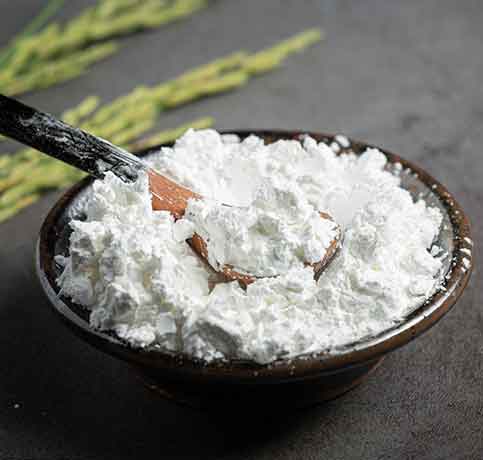
Specifications of Vitamin B4 Choline Chloride
Chemical Name: 2-Hydroxyethyl-trimethylammonium chloride
Molecular Formula: C5H14ClNO
Molecular Weight: 139.63 g/mol
CAS Number: 67-48-1
What is Vitamin B4 Choline Chloride
Choline chloride is found naturally in foods such as eggs, liver, fish, chicken, and dairy. Deficiency is more common in pregnant women, vegans, and those with high alcohol consumption.
Excessive intake can cause side effects like fishy body odor, sweating, vomiting, and low blood pressure, so recommended amounts should be observed.
Physical Properties
Appearance: White to off-white crystalline powder or white crystal, typically odorless or with a slight odor, and has a slightly sour taste. Solubility: Highly soluble in water and ethanol; insoluble in ether, petroleum ether, benzene, and carbon disulfide. Melting Point: 302–305°C
Nutritional Information
found naturally in most feed ingredients and foods (mostly as phosphatidylcholine), animals and humans cannot synthesize enough to meet all metabolic needs, necessitating dietary supplementation. about 70-75% choline by weight in typical feed-grade products, providing a concentrated source of this nutrient.
Vitamin B4 Choline Chloride
Choline chloride is a vital nutrient with several important health benefits:
Supports Liver Health: It helps transport fats out of the liver, preventing fat buildup that can cause liver damage and fatty liver disease.
Maintains Cell Membrane Structure: Choline chloride is essential for building phospholipids, which are key components of cell membranes and tissues.
Enhances Fat Metabolism: It plays a critical role in lipid metabolism, helping the body break down and use fats efficiently, which can aid in weight management.
Supports Nervous System: Choline is involved in producing acetylcholine, a neurotransmitter important for muscle control, memory, mood, and cognitive functions.
Improves Brain Health and Cognition: Supplementation may enhance memory, learning, and overall cognitive function, particularly in those with low choline intake.
Boosts Immune Function: It supports proper immune system functioning, helping the body defend against infections.
In Animals: Choline chloride improves growth, feed efficiency, egg quality (in poultry), and reduces fatty liver risk.
Choline chloride is found naturally in foods such as eggs, liver, fish, chicken, and dairy. Deficiency is more common in pregnant women, vegans, and those with high alcohol consumption.
Excessive intake can cause side effects like fishy body odor, sweating, vomiting, and low blood pressure, so recommended amounts should be observed.
Overall, choline chloride is essential for liver function, brain health, fat metabolism, and cell membrane integrity