
Vitamin A Acetate
Specifications of Vitamin A Acetate
Chemical Name: Retinyl Acetate
Molecular Formula: C22H32O2
Molecular Weight: 328.49 g/mol
CAS Number: 127-47-9
What is Vitamin A Acetate
Vitamin A acetate, also known as retinyl acetate, is a naturally occurring ester form of vitamin A with several notable benefits similar to other vitamin A forms. It supports skin health by promoting collagen synthesis, which helps reduce fine lines and wrinkles, improves skin firmness and elasticity, and regenerates skin damaged by UV radiation. It also enhances skin cell growth to heal lesions and scars and decreases sebum production, making it useful in anti-acne products for reducing inflammation and clogged pores.
Physical Properties
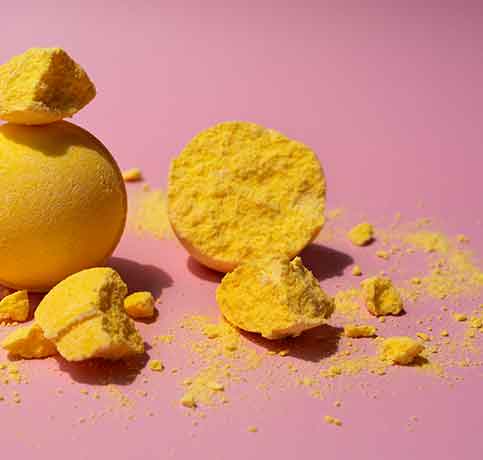
Appearance: Pale yellow, crystalline solid or a supercooled, viscous liquid.
Nutritional Information
Vitamin A Activity: Provides about 1.5 to 2.0 times the activity of retinol per unit weight
Storage Conditions: Should be stored in a cool, dark place to prevent degradation from light and heat
Vitamin A Acetate Benefits
Vitamin A acetate, also known as retinyl acetate, is a naturally occurring ester form of vitamin A with several notable benefits similar to other vitamin A forms. It supports skin health by promoting collagen synthesis, which helps reduce fine lines and wrinkles, improves skin firmness and elasticity, and regenerates skin damaged by UV radiation. It also enhances skin cell growth to heal lesions and scars and decreases sebum production, making it useful in anti-acne products for reducing inflammation and clogged pores.
Beyond skin benefits, vitamin A acetate binds to retinoid receptors, inducing cell differentiation and decreasing cell proliferation. It exhibits immunomodulatory properties and potential antineoplastic (anti-cancer) and chemopreventive activities by inhibiting carcinogen-induced neoplastic transformations in some cancer cell types. It also supports metabolic functions related to the retina, epithelial tissue growth, bone growth, reproduction, and immune response.
Vitamin A acetate is widely used in dietary supplements and cosmetics such as moisturizers, lotions, and anti-aging and sun care products. It helps maintain overall skin health, supports cell growth, strengthens the immune system, supports eyesight, and promotes mucosal health.
In summary, vitamin A acetate’s benefits include:
Collagen synthesis, improving skin firmness and reducing wrinkles
Regenerating UV-damaged skin and healing lesions
Decreasing skin inflammation and sebum production for acne treatment
Supporting cell growth and differentiation
Exhibiting immune system support and possible anti-cancer effects
Supporting vision, reproduction, and epithelial tissue health